Tesla (NASDAQ: TSLA) CEO announced during the Q4 2025 Earnings Call on Wednesday that Model S and X production is going to end next quarter. It’s time to say goodbye to these amazing luxury segment electric vehicles by the American automaker.
For the last several quarters, the sales of Tesla’s Model S and X have been on a downward trend. Q4 2025 was the worst quarter in terms of Model S/X deliveries.
Tesla Model S was the EV automaker’s first mass production car. It went on sale in 2012. Finally, after about 13 years in production, Tesla is going to stop selling it in Q2 2026.
“It’s basically time to bring the Model S and X programs to an end with an honorable discharge,” Musk announced in his Q4 2025 Earnings Call opening remarks.
“Because we’re really moving into a future that is based on autonomy, and so, if you’re interested in buying a Model S and X, now would be the time to order it,” he further added.
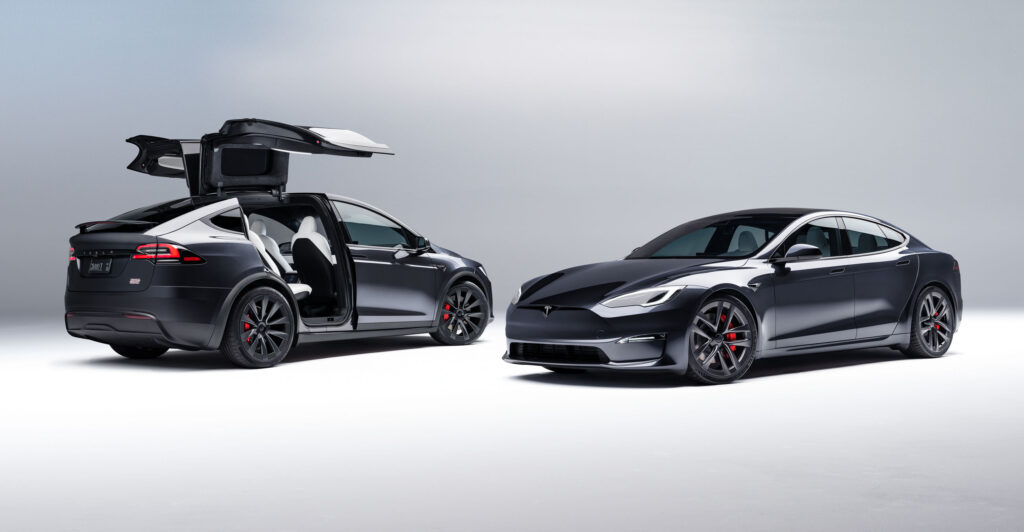
Musk confirmed that Tesla will support the existing Model S and X vehicles, as long as customers own these vehicles. Tesla never produced these cars outside of the Fremont, California factory. This is Tesla’s first vehicle manufacturing plant.
Model S and X production takes up a huge space at the Tesla Fremont factory. After production stops, Tesla is going to utilize this vacant space for the production of its humanoid robot named Optimus.
Lack of marketing efforts and an average $100K+ price tag resulted in a decline of these iconic vehicles over the years. Tesla Model X is the only production EV SUV with the falconwing doors. But the automaker has decided that it has no place in its renewed mission of “Amazing Abundance”.
Brief History and Memories
I started reporting on Tesla (TSLA) in 2015 on my other website, xautoworld.com. At this time, there were only two Teslas available for sale, the Model S luxury family sedan and the Model X luxury family SUV.
Model S and X were the stars of the streets of Silicon Valley. Affluent early adopters and the tech-savvy upper-middle class flaunted their Teslas because of the technological edge these vehicles offered.
Tesla Model S and X were also the first ones to have a massive screen in the center for infotainment. At first, this screen was vertical, and it stayed this way for a long time. Autopilot visualizations used to be displayed on the Model S/X instrument cluster.
After Tesla launched Model 3 and later Model Y with horizontal screens, Model S and X also featured a horizontal screen in the 2021 design refresh upgrade. In fact, these vehicles now had three screens, with the addition of a small screen for the rear seat passengers.
Discontinuing Model S and X must have been an emotionally challenging decision for Elon Musk and the entire company, as both of these vehicles provided the foundation of Model 3 and Model Y.
The smaller, more affordable Model Y and 3 remained best-selling electric vehicles worldwide for multiple years. The revenue generated by the skyrocketing sales of these EVs fueled what Tesla has become today.

Tesla wouldn’t be what it is today without Model S & X and their (early) owners – thank you for your support over the last decade.
Tesla on X.
As soon as Musk made the end-of-production announcement during the Q4 2025 Earnings Call, it took me on a nostalgia trip inside my brain. As difficult as it was for him to share this sad news, it was equally distressing for many avid Tesla enthusiasts like me.
Tesla Model S and X come in two variants, AWD and Plaid. Model S AWD is priced at $94,990, while the Plaid version is $109,990.
The price of a Model X AWD is $99,990, and the Plaid variant is $114,990.
Tesla hasn’t announced any discounts on these vehicles yet. The automaker might give discounts at the end of Q1 to both get rid of the inventory and boost sales numbers for the first quarter of this year.
One more reason to end production of Model S and X is Unsupervised FSD. Musk and his Tesla AI team must have realized by now that FSD works best on small to mid-sized cars.
Cybertruck also struggles with FSD functionality, Teslas has to separately tweak the software and AI to
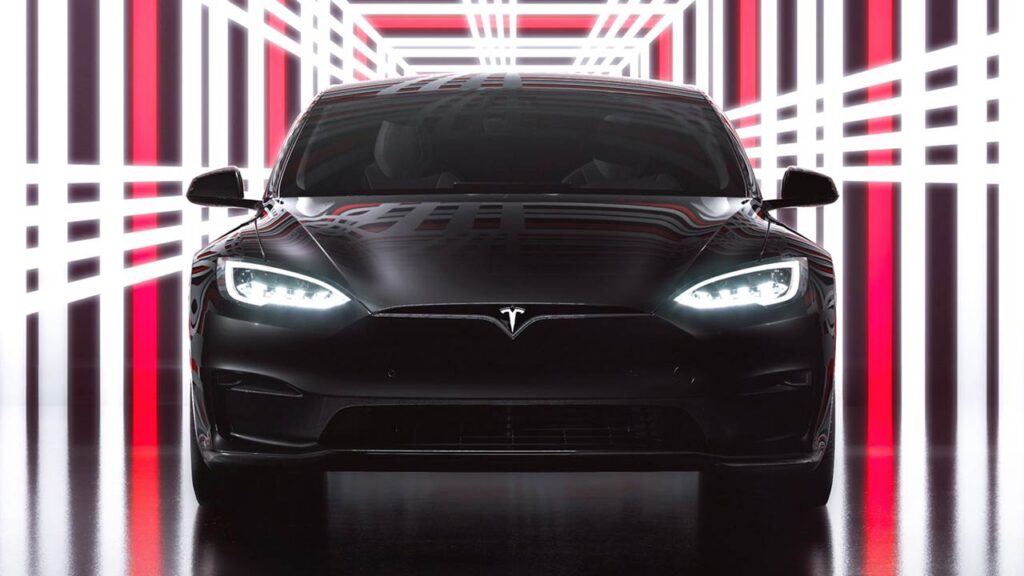
The End of Plaid
I’ve written hundreds of articles on various topics and features of the Tesla Model S and Model X. The launch of the Plaid variant especially garnered attention from the car enthusiast community, as it was the fastest production car ever made.
However, with time, the frequency of Model S and X dropped dramatically because Tesla was focusing more and more on Autopilot and Full Self-Driving (FSD).
Tesla Model S Plaid made a historic mark on drag strips across the globe. Because of its instant acceleration and torque delivery to the wheels, it became almost unbeatable in a drag racing battle. Contenders had to bring in million-dollar price tag hypercars like Rimac Nevera to defeat the Model S Plaid.
At some drag racing circuits, the Tesla Model S even got banned due to its insane acceleration and lack of competition.
Many Tesla owners and fans are asking the automaker to reverse its decision to end Model S/X production, but I think it’s inevitable now.
Stay tuned for constant Tesla updates, follow us on:
Google News | Flipboard | X (Twitter) | WhatsApp Channel | RSS (Feedly).
Related Tesla News
- Tesla Cybercabs spotted loading from Giga Texas for deliveries to US testing destinations

- Starship Flight 12: SpaceX to test Raptor 3 engines on the V3 Booster 19 for the first time
- Tesla Semi seen after winter testing, factory completion soon, first Megacharger opens in LA

- Watch Elon Musk fool the media with a decoy car as he arrives at the court for the Twitter trial
- Flight 12 Starship V3 (Ship 39) survives three cryo tests (videos)
- Tesla update 2026.2.9 in Europe shows FSD v14-like blue underglow in Summon visualizations (release notes)