

The aura of the Starship upper-stage landing catch in Flight 15 overshadowed the other major events of this historic launch. For example, the deployment of V3 Starlink satellites and, more importantly, the landing of the Super Heavy Booster 22.
One of the major and most anticipated objectives of the Flight 15 Starship launch was the landing catch of the Super Heavy rocket booster. However, in the final moments, SpaceX changed the booster’s landing course and diverted it to the Gulf near Starbase, Texas, for a splashdown.
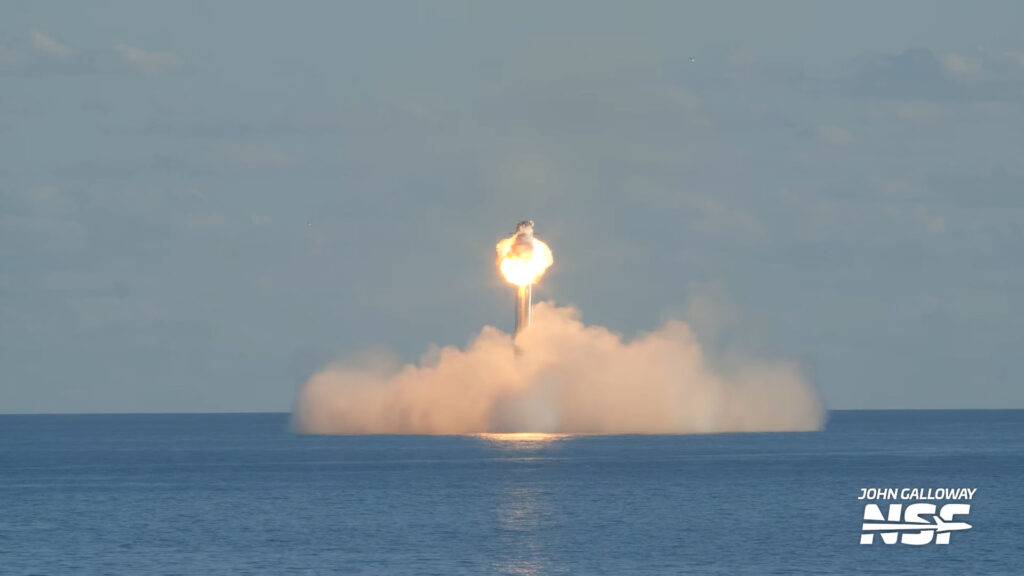
Interestingly, the Flight 15 Booster 22 exploded mid-air, just a second before hitting the water. The automated flight termination system (FTS) triggered and destroyed the booster before it hit the water.
If caught, it would have been the first Super Heavy V3 generation booster landing catch. SpaceX has previously caught three boosters at Starbase, Texas, but they were from an older generation.
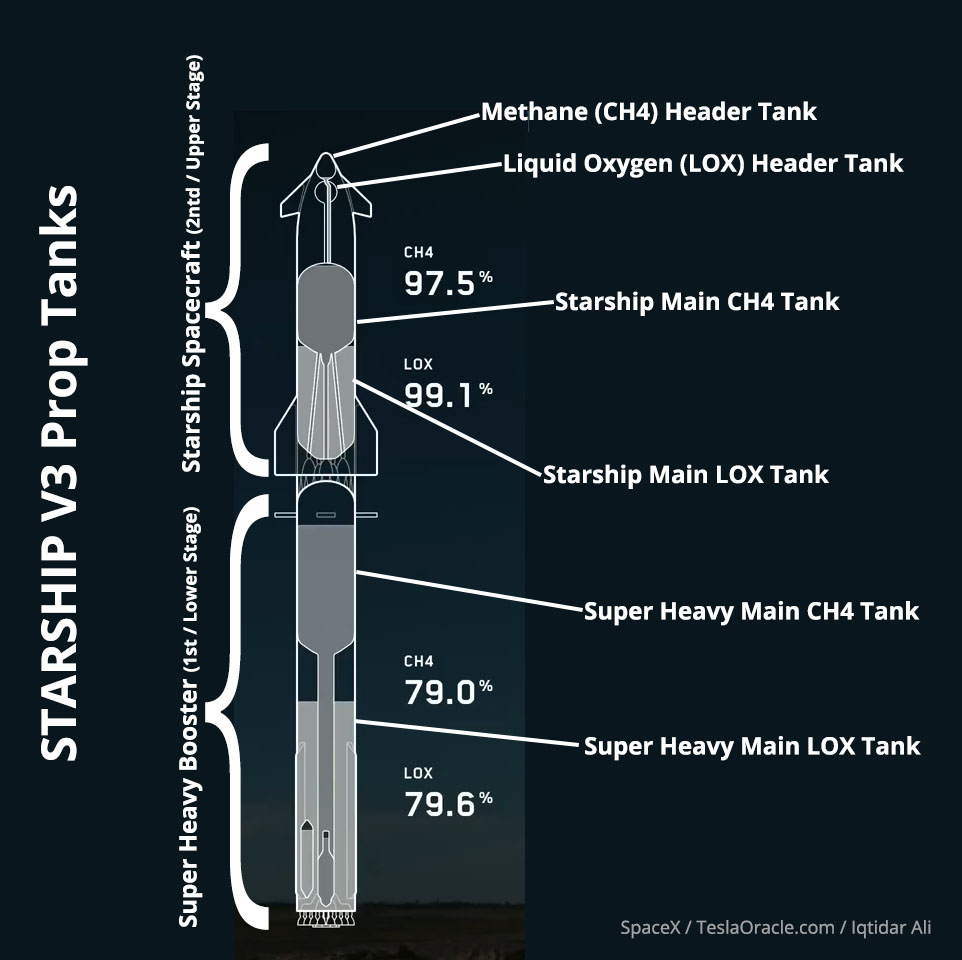
Back to the landing. So, why did SpaceX divert the booster despite it descending perfectly back to the launch tower? Musk first said it was ‘slightly low on fuel’ (rocket guys usually call it ‘propellant’ or just ‘prop’ :)).
But Musk, being Musk, gave a detailed summary of the reasons for the Flight 15 Super Heavy booster’s ‘offshore abort’. He posted on X:
Yes, the green flame is caused by burning copper from depleting fuel in the regenerative cooling circuit and going oxygen-rich (closer to stoichiometric temperature) in the main combustion chamber.
Slight underperformance of engines on this flight is the reason. The booster is meant to land with tiny residuals, so the solution is to improve engine performance and performance consistency (underway with Raptor V3.2), as well as adjust flight software to do MECO1 about one second earlier to ensure enough propellant for boostback and landing (tiny change).
These early ships and boosters are already outdated by improved designs in production or on the test stand, so this booster loss does not change our timeline to reach high volume, fully reusable Starship flights.
Companies working under Elon Musk’s leadership are always one step ahead of the product they reveal to the world.
As he explained in his post above, the problems that caused the Flight 15 booster catch abort have already been addressed in newer iterations of the Raptor 3 engines (next version 3.2), Starship, and the Super Heavy design as well.
FTS Trigger
As soon as the lower-than-required amount of propellant was detected by SpaceX teams and the booster itself, its guidance, navigation, and control (GNC) system triggered an automated abort. The rocket diverted to the offshore contingency site in the Gulf for a splashdown landing.
Some ground observers captured the final moments of Flight 15 Booster 22. The following pictures and video show the flight termination system (FTS) destroying the Flight 15 booster just before the water landing.
As the automatic FTS was activated, the propellant tank (see diagram above) leaked and caught fire. The large amount of propellant (Methane + Liquid Oxygen / MethaLOX) burst into flames, and the upper part of the hovering megastructure exploded into pieces. The remaining Booster 22 structure fell into the ocean.
Before the FTS blew it up, Booster 22 reached a vertical position over the ocean and hovered briefly, as if it would for a landing catch.
Stay tuned for future updates on Starship and SpaceX. Follow us on:
Google News | X (Twitter) | Flipboard | WhatsApp Channel | RSS (Feedly).
Related Starship News, Videos, and Updates
- Elon Musk explains the Flight 15 Booster 22 catch abort and FTS triggers (final moment pics and video)
- SpaceX releases stunning imagery of Flight 15 Starship catch, Musk updates on Ship 42 reusability status, more
- The epic story of Flight 15 Starship: ~22 hours in space and a precise landing catch
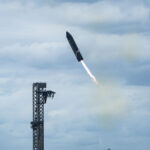
- Live stream recordings of Starship Flight 15 and live events log archive (liftoff-to-catch coverage)
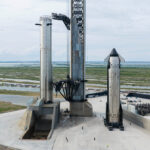
- The FAA grants SpaceX license for Starship Flight 15, just hours ahead of launch
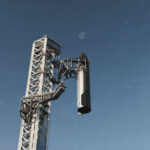
- Flight 15 Starship double-catch to happen NET Friday the 13th (confirmed)
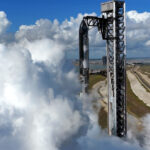


 CEO Elon Musk explained why the Flight 15 Booster 22 wasn't caught on landing and the systems that triggered an offshore abort and FTS. Booster 22 labeled diagram, and explosion and landing pics, and video.)